Your Window Tinting Primer

April 11, 2019

Share this article

What is window tinting?

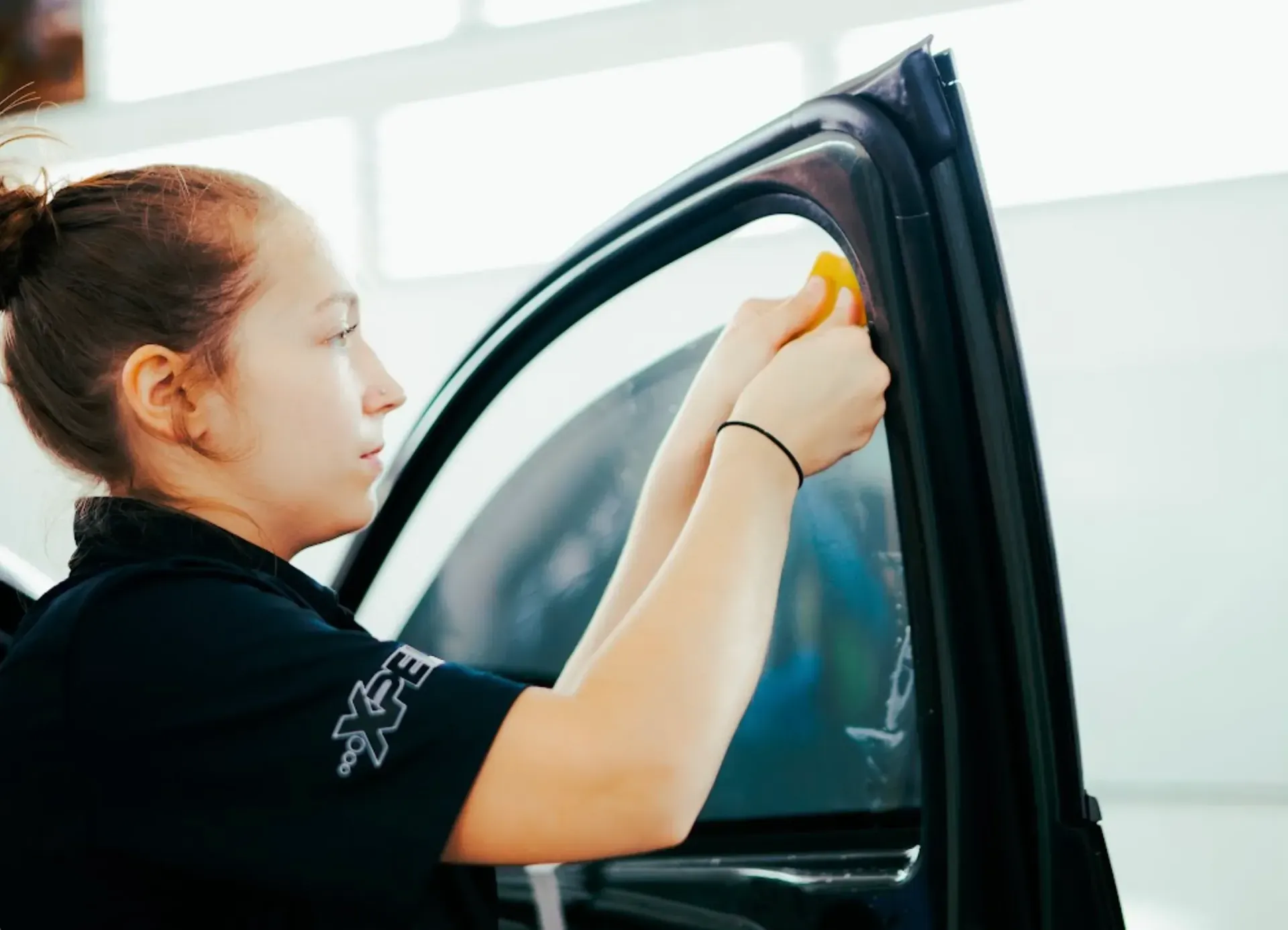
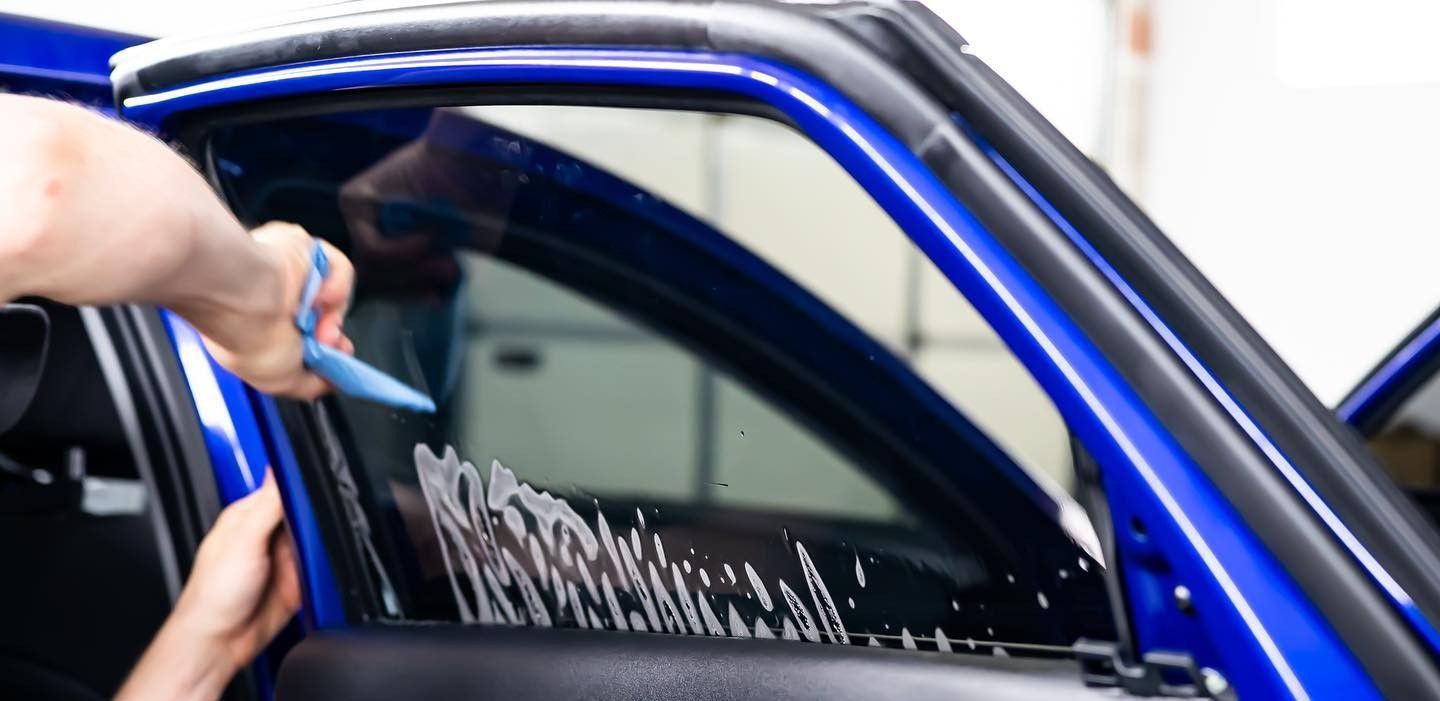
According to Kelley Blue Book, window tinting is a process during which a sheet of film is applied to the inside of your vehicle’s windows. This film is transparent, but the thickness of it and the material it’s made of will vary depending on how and why you’re tinting your windows. Different states also have different regulations about what sorts of tinting are legal.


Usually, window tinting is performed to keep heat and radiation levels low in hot and sunny climates; however, tinting solely for aesthetic reasons is becoming more popular. Deeper tints can also help increase privacy and security inside of your vehicle.


Does window tinting reduce visibility?

The short answer? It depends.


Exceptionally dark or thick tints have been shown to hinder a driver’s scope of vision– especially on snowy, cloudy, or rainy days. Any low light environment could pose a potential issue with visibility if your tint is too dark.


It’s difficult to determine exactly how much visibility you’ll lose if you decide to tint your windows; with so many factors at play, the same tint on the same car could have different levels of impact on visibility for different people. The tinting product, color, and darkness that you select will all play into visibility levels.


Window tinting and night driving

Lighting (and lights within your environment) affect everybody differently; some people are more sensitive to glare than others, some couldn’t see in the dark even with all of the tools in the world to help them, some can hardly see during the daytime anyway…


All of that is to say that there’s no silver bullet when it comes to window tinting and night driving. For some people, driving at night with tinted windows is going to be a challenge. If you’re going to be driving somewhere with virtually no light source at night, you’ll likely want to test out some tint options before committing to one.


For some people, window tint can actually improve nighttime driving visibility. If you struggle to deal with glare from headlights or streetlights when you drive at night, some films will actually help soften this light and make it easier for you to see your surroundings.


What is the darkest legal tint in OR?

Oregon residents are legally permitted to apply tinting material to their side and rear windows provided that the film has:


  • A light reflectance of 13% or greater
  • A light transmittance of 50% or more
  • The capacity to create a total light transmittance through the window of 35% or greater


If you have a medical condition that could benefit from tinting, you can also get a letter from your physician or optometrist permitting the use of tinting material with a total light transmittance of under 35%.


If you want to tint a rear portion of a multi-purpose vehicle, there are no restrictions around light transmittance; you have much more freedom to decide on the tint that’s best for you rather than the tint that best abides by the rules.


At Elite Window tinting, we offer tinting services that afford your vehicle solar protection while providing you with privacy and style. The right tint can simultaneously help you elevate your ride’s aesthetic and protect you from harmful UV rays and heat build up.


If you’re in the Milwaukie, OR area, stop by our shop or give us a call today. Our team will be happy to speak to you about your needs and get you a consultation for your window tinting needs. We’re proud to offer a range of XPEL tinting products, which are known for their durability and high performance quality.
Recent Posts

June 5, 2026
When your vehicle sits in the hot sun, the interior surfaces, such as the leather, fabrics, plastics or dashboard, can become discolored or faded from the exposure to heat and ultraviolet rays. On top of that, vehicles with dark interiors can become uncomfortable, sometimes almost impossible, to enter when the sun heats up the upholstery. You may be familiar with window films to add an attractive look to your vehicle, but they’re designed to offer so much more than that. The protective window films from our XPEL line come with their own unique advantages, such as heat, UV and glare protection, without sacrificing your GPS or radio signals like some other brands. XPEL window films are also guaranteed to last the life of your vehicle and won’t fade or turn purple over time. Tint Options 
June 5, 2026
A Northwest native and longtime automotive business professional. Tad’s extensive window tinting experience began in 1992 at a Vancouver tint shop where he built a reputation for quality craftsmanship and outstanding customer service. He later expanded his services to regions in Southwest Washington and Oregon. In 2011, alongside his business partner Sarah Ogland, Tad established Elite Protective Films in Boring, Oregon. Elite’s highly skilled team of professionals have been providing unrivaled, expert service in the Northwest since. 
June 5, 2026
Our owner, Kenley Wallis started window tinting in 2002 as a part-time job while in college in Kennewick, Washington. Later, he moved to the Portland, Oregon area and joined the Elite Window Tinting team, Elite Protective Films’ sister store, in 2007 and quickly distinguished himself as a great innovator of creative solutions to the numerous challenges in applying film. He refined and developed his craft over the years, eventually taking the helm as Elite Window Tinting's owner in 2012 and continues to play a crucial role at Elite Protective Films. Since then, Kenley has been working hard to provide the highest level of customer service to each and every person he welcomes through Elite’s doors with a bright and smiling face. With an amicable and easy going demeanor, it’s no surprise Kenley’s so popular with our customers. Kenley knows no shops and products are created equal and takes great pride in delivering an elevated quality of service by working with our customers to ensure they are receiving only the best products and services around.  Outside of Elite, Kenley’s interests go beyond the shop and into the great outdoors. When he’s not providing Elite’s customers with the best when it comes to automotive films, he enjoys spending time outdoors with his family and friends either camping or boating.
March 5, 2026
Every time you drive, your car’s paint is under assault. Gravel kicked up by the car ahead of you, road debris, even small stones scattered by construction work, all of it can leave chips that cut through clear coat, color, and sometimes all the way down to bare metal. According to the AAA Foundation for Traffic Safety , road debris was a factor in more than 200,000 police-reported crashes over a four-year study period, resulting in approximately 39,000 injuries. While most paint chips don’t cause accidents, they create the same underlying problem: exposed surfaces that invite rust, corrosion, and costly bodywork down the line. So what should you actually do about that chip on your hood? This guide breaks down what car paint chip repair costs, how to fix paint chips on a car yourself (step-by-step), when to call a professional, and, most importantly, how to stop chips from happening in the first place. Why Every Paint Chip Needs Attention (Even Small Ones) It’s tempting to ignore a paint chip the size of a pinhead. But here in the Pacific Northwest, where rain is a near-constant companion, even a tiny chip creates a direct path for moisture to reach bare metal. Once water contacts unprotected steel, oxidation begins and rust spreads beneath the surrounding paint where you can’t see it. The practical consequences of ignoring chips: Rust progression: A chip that costs $30–$60 to repair today can lead to panel rust, which can cost $500–$1,000+ to fix. Resale value loss: Kelley Blue Book notes that a vehicle’s exterior condition is one of the primary factors in trade-in valuation. Visible chips can reduce offers by hundreds of dollars. Lease-return penalties: Most lease agreements charge for any paint damage beyond normal wear, typically $100–$500 per panel, depending on severity. Spreading damage: Portland’s freeze-thaw cycles during winter cause moisture trapped in chips to expand, cracking surrounding paint and accelerating peeling. Bottom line: fixing chips early is always cheaper than fixing what chips become. How Much Does Car Paint Chip Repair Cost? The cost of repairing a paint chip depends on three factors: the severity of the damage, the number of chips to fix, and who does the work. Here’s a realistic breakdown based on current market pricing:
By Elite Window Tinting & Protective Films February 25, 2026
Oregon’s window tint laws haven’t changed much since they were first enacted in 2003, but the fines for getting it wrong have a way of getting your attention. Whether you drive a sedan, SUV, or truck in the Portland metro area, here’s everything you need to know about legal tint limits in Oregon for 2026. At Elite Protective Films in Boring, Oregon, we install window tint for drivers across the greater Portland area every day. Below is the same quick-reference guide we hand to customers before every appointment. Oregon Window Tint VLT Limits 2026 Quick-Reference Chart This table summarizes the Visible Light Transmission (VLT) percentages required by Oregon law (ORS 815.221). VLT measures how much light passes through the window and film combined; the lower the number, the darker the tint.
January 13, 2026
Window tinting in Portland, OR has become more than just a cosmetic upgrade – it’s a smart investment for protection, comfort, and long-term value. Whether you’re driving through rainy Milwaukie, commuting across Beaverton, or navigating busy Portland streets, high-quality tinting enhances your experience while protecting your vehicle, home, or business. With Portland’s unique climate, growing environmental awareness, and increasing desire for privacy, choosing the best window tinting in Portland is essential. This guide breaks down everything you need to know – what to look for, how tinting helps, and why Elite Window Tinting stands out as one of the region’s top choices. Why Window Tinting Is in High Demand in Portland Portland gets a mix of rain, overcast skies, bright summers, and year-round UV exposure. This combination creates a perfect environment for window tinting to shine. Residents in Milwaukie, Beaverton, and Portland choose tint for: UV protection – even on cloudy days Privacy for both vehicles and homes Temperature control in warm summers A cleaner aesthetic and improved appearance Reducing glare from wet roads and reflective surfaces Whether you’re looking for better comfort, style, or protection, choosing a trusted tint shop is key to getting long-lasting results. Benefits of Window Tinting in Portland Protection From UV Rays Many people assume Portland’s cloud cover blocks UV rays, but that’s far from true – up to 80% of UV rays still get through clouds. Window tinting helps protect: Your skin from harmful UV exposure Vehicle interiors from cracking or fading Home furnishings from sun damage Temperature & Energy Control Portland summers can get surprisingly warm, and good tinting helps regulate temperatures by reducing heat transfer. Homes and offices stay cooler Vehicles remain more comfortable Energy consumption decreases A/C strain is reduced Glare Reduction Between rainy days and bright summers, glare can be a major issue. Tint reduces eye strain and improves visibility by minimizing harsh reflections on wet roads. Privacy & Security Tint helps keep valuables out of sight and adds privacy in homes, storefronts, and commercial buildings. This is especially important in high-traffic Portland neighborhoods. Aesthetic Appeal Professionally installed tint elevates the look of vehicles, residential properties, and commercial buildings – modern, sleek, and clean. What Makes a Window Tinting Company the “Best”? Not all tint shops are created equal. Here’s what separates average tinting from elite-level work: Certified Installers & Experience Factory-trained technicians ensure clean, bubble-free results that last. Professional installers understand: Film adhesion Proper cutting and alignment Portland-specific climate factors Quality of Film (Brand + Warranty) Premium films from brands like XPEL , 3M, and SolarGard offer: UV protection Heat rejection Scratch-resistant surfaces Lifetime warranties Customer Reviews & Reputation The best window tinting shops in Portland consistently earn high ratings on: Google Reviews Yelp Local Portland automotive and home improvement forums Transparent Pricing Honest, upfront estimates help customers feel confident. Avoid shops that provide vague or fluctuating pricing. Fast Turnaround + Clean Workmanship The best shops deliver: No bubbles No peeling Exact edges Fast installations Clean, dust-free environments Lifetime Warranty Portland’s rainy and humid climate can affect low-quality tint. That’s why a lifetime warranty is essential for long-term peace of mind. Serving: Milwaukie, Beaverton, and Portland, OR Get a Quote Best Window Tinting Shop in Portland, OR: Elite Window Tinting Services Provided: Auto window tinting Residential window tinting Commercial building tinting Paint protection film & more Film Brands: Industry-leading films including XPEL, known for clarity, heat rejection, and durability. What They’re Known For: Certified professional installers Fair, transparent pricing Exceptional customer service Clean installations with perfect edges Lifetime-warrantied films Customer Reviews Highlight: Friendly, knowledgeable staff Long-lasting, bubble-free results Honest recommendations Quick turnaround times Why They’re One of the Best Window Tinting Companies in Portland: Elite Window Tinting combines expert installation, premium films, and local knowledge to deliver unbeatable results. Their technicians understand Portland’s climate and tailor tint recommendations for both performance and longevity. Window Tint Pricing in Portland, OR (Market Rates) Pricing may vary, but here’s what you can expect for car window tinting in Portland: Automotive Tint Pricing Sedans: $200–$450 SUVs / Trucks: $250–$550 Windshield tint strip: $40–$75 Ceramic vs. Standard Tint Pricing Standard film: Affordable, basic UV protection Ceramic film: Higher cost but best for heat rejection, clarity, and longevity Ceramic films are highly recommended for Portland due to the wet climate and diverse temperatures. Portland Window Tinting Laws: What You Need to Know Oregon has specific VLT (Visible Light Transmission) limits: Front side windows: Must allow more than 35% of light Back side & rear windows: Any darkness allowed Windshield: Only a top 6-inch tint strip Penalties for non-compliance include fines, required tint removal, and repeat inspection. The best shops – like Elite Window Tinting – ensure your tint meets all state regulations. How to Choose the Right Window Tint for Portland Weather Ceramic vs. Dyed vs. Metallic Films Ceramic: Best for heat rejection and clarity—ideal for Portland Dyed: More affordable but less durable Metallic: Good performance but can interfere with signals (not recommended for newer vehicles) Privacy Tinting Considerations Homes in residential neighborhoods benefit from mid-level VLT privacy films Businesses often choose reflective or mirrored tint for enhanced security Climate-Specific Recommendations Moisture-resistant adhesives perform best in rainy climates Portland drivers benefit from glare-reducing films optimized for reflective, wet surfaces Ceramic tint is the top choice for longevity and clarity Conclusion Whether you’re trying to protect your vehicle, enhance home comfort, or add privacy to your business, choosing the best window tinting in Portland makes all the difference. Elite Window Tinting offers premium films, expert installation, and a commitment to quality that Portland residents trust. For the best experience, results, and long-lasting protection – schedule your appointment with Elite Window Tinting today. FAQ How long does tinting take? Typically 1–3 hours depending on the vehicle type. How long does tint last in Portland’s climate? With premium film and professional installation, 10–20+ years. Can rain affect the curing time? No – once the tint is applied indoors, the weather won’t affect it. But avoid rolling down your windows for 2–4 days. What’s the best tint percentage for Oregon drivers? 35% for the front windows (legal limit), and darker films for rear windows if desired. Is tint worth it in a cloudy city like Portland? Absolutely. UV rays penetrate clouds, and glare on wet roads is a daily issue. Tint protects, comforts, and enhances appearance year-round.
Show More